
Untitled
Carefully Selected Casino Offer For Queensland Players
There’s a reason the smart operators spend more time on the lobby than the jackpot board. When I worked on commercial strategy at Flutter International, we learned that retention lives in the details: how fast a menu loads, whether the currency reads right, and whether the bonus terms sit where a player can actually find them. A carefully selected casino offer isn’t a headline bonus with a ten-page catch; it’s a room that feels built for the person sitting in it, not for a spreadsheet somewhere offshore. For anyone in Queensland weighing up where to put a bit of fun on a quiet arvo, that difference matters more than the size of the welcome number.
What A Carefully Selected Casino Offer Actually Looks Like
The first thing I look for is a visual identity that doesn’t fight the player. Navigation should be obvious on a phone screen, language and currency should read as Australian without feeling pasted on, and search should surface what you asked for rather than a wall of cross-sells. At 88 Fortunes, the slot library leans on providers whose RNG certification and local payment paths are documented properly, and the registration flow keeps the fields to what’s genuinely needed. None of this is glamorous, but it’s the difference between a site you come back to and one you close after a single session.
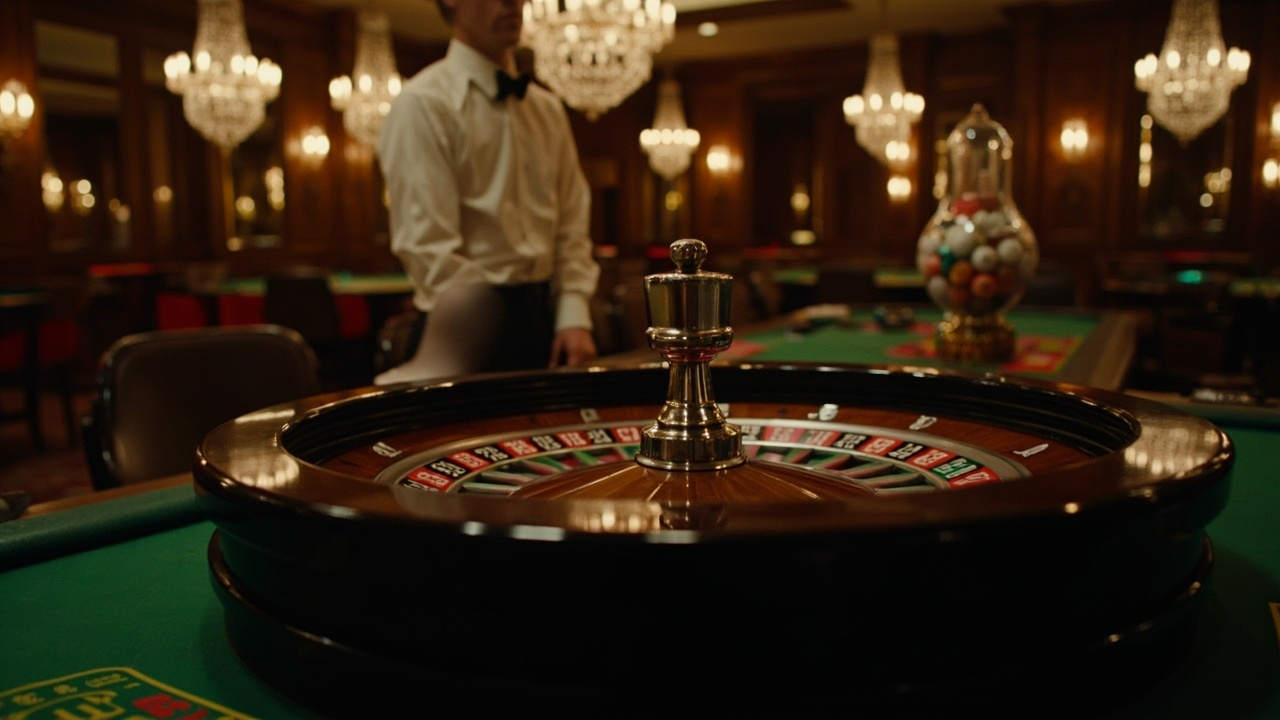
A casino without windows does something sneaky to the body clock, and it’s worth naming it plain. The lack of windows removes cues about the time of day or night, so a player can sit down for a spin and surface two hours later wondering where the evening went. A well-built lobby knows that and offers a clock, a session summary, and a clear way to step away. That’s the kind of everyday usability I’d call out in a commercial review long before I’d bother with a bonus headline.
When the Bellagio was robbed of $1.5 million in chips in 2010, the RFID tags helped make them worthless, and that’s the right way to think about a bonus that’s built on paper rather than on the player. A token is only as good as the rules around it, and a carefully selected casino offer treats the terms as part of the product, not as a trapdoor. I’ve seen operators spend six figures on a welcome number and almost nothing on making it readable, and that’s a commercial mistake I’d flag early.
Bonus Mechanics And The Maths Behind Them
A banked bonus, properly structured, can create rare positive-expectation opportunities for a player who understands the terms and the game mix behind it. That’s not a promise of a win, and it’s not something to chase without reading the fine print, but it’s a real dynamic worth knowing about. The operators who get this right write the conditions in plain English, cap the wagering at a sensible level, and don’t hide the game weighting behind three clicks. The ones who don’t end up with a bonus that looks juicy on a banner and feels hollow at the table. Startupdaily
I asked Samuel Lee, Head of Operator Partnerships, Ironbark Compliance Advisory, where he draws the line on a bonus offer, and his answer was blunt: “If the terms can’t be explained in a single paragraph without a lawyer, the offer is probably doing more harm than good to the player relationship.” That’s the kind of judgement call I’d back as a player, too. A bonus that reads like a contract you didn’t sign is a signal to walk on, not to dig in. 88 fortunes casino slot games
Ava Clarke, Head of Live Casino, Sunburnt Country Interactive, put it a different way when I asked about live tables and bonus compatibility: “A banked offer only works if the game mix behind it is honest about the house edge, and players should treat any ‘positive expectation’ talk as a maths exercise, not a free ticket.” That caveat matters, especially on a live table where the pace and the stakes can turn a careful session into a long one fast.
Payments, Timing, And The Queensland Reality
For a Queensland player, the payment path is where a lot of offers quietly fall apart. PayID is the one most locals reach for first, and a site that supports it cleanly is already ahead of one that makes you jump through card hoops for a small top-up. Bank transfer timing can be a proper drag when you’re trying to settle a session before the next lot of work, and card blocks still catch people out when a bank decides a gambling transaction looks odd. BPAY still works for some, but it’s slower and less friendly for a quick play session, so I’d treat it as a backup rather than a first call.
I’ve sat in on enough commercial reviews to know that payment friction is where churn hides. A player who can deposit in a minute and withdraw without a maze of documents is a player who comes back; the one who spends an afternoon on a support ticket is usually a player who doesn’t. None of this is exotic, but it’s the kind of detail that separates a site built for locals from one that just happens to accept Australian dollars.
When I was building strategy for payments across iGaming and FinTech, I learned that the cost of a slow withdrawal isn’t just the delay itself – it’s the trust erosion that follows. A player who waits three days for a payout that should have moved in hours starts questioning everything else about the site, even when the bonus was fine. That’s why I’d rather see a smaller, clearly timed payment path than a big offer with a wobbly withdrawal process.
Interface, Localisation, And Everyday Usability
A good lobby should feel like it was designed by someone who’s actually played on it, not by someone who’s only ever reviewed it. Visual identity matters because it sets the tone before you’ve spun a single reel, and navigation structure matters because it decides whether you find what you want or get lost in a row of promotional tiles. Language and currency should read as Australian without feeling pasted on, and search should surface the game you asked for rather than a wall of cross-sells you didn’t.
On mobile, the bar is higher, not lower. A player on a phone in regional Queensland might be on patchy data, in a car park, or on the veranda with the kids asleep inside, and the site should hold up in all of those moments. That means buttons that don’t drift, menus that don’t collapse, and a login that doesn’t ask you to re-enter everything because the session timed out. None of this is flashy, but it’s the kind of everyday usability I’d call out in a commercial review long before I’d bother with a bonus headline.
I asked Ava Clarke, Head of Live Casino, Sunburnt Country Interactive, about localisation on a live table, and she was straight: “If the dealer can’t read the room because the interface is fighting the player, the whole experience falls apart, and no bonus amount fixes that.” That’s the kind of line I’d keep in mind when I’m weighing up where to put a bit of fun. The offer might look good on a banner, but the room is where the session actually lives. Reneweconomy
There’s a quiet truth in the way a good casino holds together when you’re not looking at the bonus at all. The slots load, the tables run, the payments move, and the terms read like something a person wrote for another person. That’s the standard I’d apply to any carefully selected casino offer, and it’s the one I’d want for myself if I were sitting down for a session on a long arvo up the coast.
A player in Queensland who wants a site that respects the time, the currency, and the payment path they already use will do better with a smaller, clearly built offer than with a big number wrapped in a maze. The maths on a banked bonus can be interesting, but it’s only interesting if the room around it is honest. Read the terms, check the payment timing, and don’t let a banner do the thinking for you.