
Exploring the evolution of casinos throughout history
Exploring the evolution of casinos throughout history
Origins of Gambling and Early Casinos
The roots of gambling can be traced back to ancient civilizations, with evidence from Chinese, Egyptian, and Greek societies indicating a long-standing fascination with games of chance. Early gambling activities were often linked to religious and social rituals, evolving over time into more structured forms of play. The ancient Chinese played a variety of games, including keno, which involved betting on numbered tiles. These early forms of gambling set the stage for the casinos we know today, making the legionbet registration process pivotal for modern players.

In medieval Europe, gambling became increasingly popular among the nobility. The establishment of the first gaming houses in Italy during the 17th century marked a significant shift from informal gambling to organized establishments. These houses offered various games, including faro and baccarat, attracting wealthy patrons. This period laid the groundwork for modern casinos, introducing regulations and standards that began to govern gambling practices.
As gambling spread across Europe, casinos started to take on distinct forms. The development of the first official casino, the Casino di Venezia, in 1638, signified the transition into more formalized establishments where patrons could engage in various games under one roof. This evolution was pivotal in transitioning from simple gambling practices to a more sophisticated environment that emphasized luxury and entertainment.
19th Century: The Rise of Modern Casinos
The 19th century marked a significant turning point in the evolution of casinos. With the establishment of the Monte Carlo Casino in 1863, gambling became synonymous with glamour and sophistication. The casino attracted elite players from across Europe, contributing to the image of casinos as upscale entertainment venues. The design and architecture of Monte Carlo also set a precedent for future casinos, emphasizing luxurious surroundings and extravagant atmospheres.
During this period, laws governing gambling began to emerge in various countries, reflecting the growing concern over the potential social consequences of gambling addiction. The introduction of regulatory frameworks aimed to control gambling activities and protect players. This era saw the birth of iconic games such as roulette and blackjack, which are still prevalent in casinos today, further refining the gambling experience.
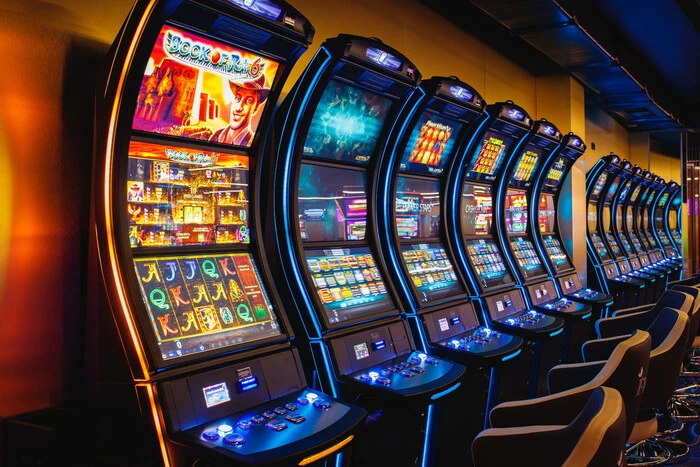
As the popularity of casinos continued to grow, so did the need for innovation. The introduction of slot machines in the late 1800s revolutionized the gambling landscape, providing a more accessible form of entertainment that required no skill or strategy. The allure of these machines quickly captivated players, leading to their widespread adoption in casinos worldwide and marking a significant milestone in the evolution of gambling practices.
The Golden Age of Casinos: Las Vegas and Beyond
The mid-20th century heralded the Golden Age of casinos, particularly with the rise of Las Vegas as the gambling capital of the world. The legalization of gambling in Nevada in 1931 paved the way for the emergence of lavish resorts and casinos, transforming the desert city into a playground for adults. Iconic establishments like the Flamingo and The Sands epitomized this era, characterized by elaborate shows, luxurious accommodations, and a wide variety of gaming options.
Las Vegas not only redefined the casino experience but also established a new standard for entertainment. The integration of live performances, dining, and nightlife with gaming created a holistic experience that attracted millions of visitors. This approach emphasized not just gambling but a comprehensive lifestyle centered around fun and leisure, allowing casinos to flourish as multi-faceted entertainment hubs.
As the concept of casinos expanded, other cities around the globe began to emulate Las Vegas, leading to the development of gaming resorts in Atlantic City, Macau, and beyond. Each location introduced unique cultural elements into the casino experience, creating diverse environments that catered to various demographics. The globalization of casino culture signified a new era of gambling, where entertainment value and consumer experience took center stage.
Technological Advancements and Online Casinos
The advent of technology has dramatically transformed the gambling landscape, particularly with the introduction of online casinos in the late 20th and early 21st centuries. The internet revolutionized access to gambling, allowing players to enjoy their favorite games from the comfort of their homes. Online platforms brought a new level of convenience, as players could gamble anytime and anywhere, thereby expanding the audience significantly.
Advancements in technology have also led to innovations in gaming. The integration of virtual reality (VR) and augmented reality (AR) into online casinos creates immersive experiences that mimic the atmosphere of traditional casinos. Players can now engage in lifelike environments, interacting with dealers and other players, which enhances the overall gaming experience. This technological evolution continues to reshape the casino industry, pushing boundaries and redefining what gambling can be.
The rise of mobile gaming has further revolutionized the casino landscape, with many players now favoring apps and mobile-friendly websites for their gambling activities. This shift highlights the importance of accessibility and user experience, as casinos compete to attract players in a crowded market. With new gaming options constantly emerging, the evolution of casinos is likely to continue, adapting to meet the needs and preferences of modern players.
The Future of Casinos and Responsible Gaming
Looking ahead, the future of casinos appears to be focused on integration and sustainability. As more jurisdictions consider legalizing gambling, the casino industry must adapt to accommodate different regulations and cultural attitudes toward gaming. Efforts to promote responsible gaming are becoming increasingly important, with casinos implementing measures to prevent addiction and ensure a safe gaming environment for all players.
Moreover, the integration of artificial intelligence (AI) into casino operations is expected to enhance player experiences. AI can be used to personalize gaming experiences, offering tailored recommendations based on individual preferences. This technology also aids in detecting fraudulent activities and maintaining security within the gaming environment, further improving the safety of players.
As the casino landscape continues to evolve, it is essential for operators to balance innovation with responsibility. By prioritizing player welfare and providing engaging experiences, the casino industry can thrive while also ensuring that gambling remains a safe and enjoyable activity for all. This dual focus on entertainment and responsibility will be crucial for the future success of casinos worldwide.
Conclusion: The Role of Casinos Today
Casinos have undergone a remarkable transformation from their ancient origins to the modern-day entertainment hubs they are today. Each phase of their evolution has introduced new games, technologies, and experiences that have captivated players around the world. As we continue to explore the rich history of casinos, it is clear that they will remain integral to global entertainment culture.
Today, casinos cater to a diverse range of audiences, from traditional high-stakes gamblers to casual players seeking leisure activities. The blend of entertainment, luxury, and technology continues to attract visitors, ensuring that casinos evolve to meet the changing needs of society. With ongoing advancements and a commitment to responsible gaming, the future of casinos looks promising.
In conclusion, the journey of casinos through history reflects broader societal changes, technological innovations, and evolving player expectations. As we look toward the future, the casino industry stands at the forefront of an exciting new chapter, continuing to shape and enrich the landscape of entertainment worldwide.